
ATO Travel Expenses Guide: What You Can and Can’t Claim on Your Tax Return
Navigating work-related travel expenses when preparing your Australian Individual Tax Return can be tricky. While the Australian Taxation Office (ATO) allows deductions for legitimate costs incurred while carrying out your job duties, strict rules govern what qualifies, how expenses are calculated, and what documentation you must maintain.
When completing your tax return under Question D2 (Work-related travel expenses), understanding the exact criteria for different travel categories ensures you maximize your legitimate tax refund while staying fully compliant with ATO regulations.
Here is a comprehensive breakdown of how to claim tolls, motorcycles, borrowed cars, flights, accommodation, and interstate meals.
1. Road and Bridge Tolls
If you incur highway, bridge, or road tolls while travelling for work purposes, these costs are generally tax deductible.
What You Can Claim:
- Tolls paid while travelling between two separate workplaces (e.g., driving from your main office to a client site or branch office).
- Tolls incurred while attending work meetings, conferences, or running work-related errands during the day.
What You Cannot Claim:
- Tolls paid during your standard daily commute between your home and regular place of employment. The ATO considers regular home-to-work travel to be private in nature, regardless of distance or time of day.
How Tolls Interact with Vehicle Claim Methods:
- Cents per Kilometre Method: If you use your own car and claim using the cents-per-kilometre rate, tolls are not included in that flat rate. You can claim your work-related tolls separately under travel expenses.
- Logbook Method: If you use the logbook method, tolls are claimed as part of your overall actual running expenses based on your work-use percentage.
2. Motorcycles Used for Work
Many taxpayers are surprised to learn that motorcycles, scooters, and mopeds are not classified as "cars" under Australian tax law (which limits the definition to four-wheeled vehicles designed to carry a load of less than one tonne or fewer than nine passengers).
How to Claim Motorcycle Expenses:
Because a motorcycle is not classified as a car, you cannot use the standard Cents per Kilometre or Logbook methods designed for car deductions.
Instead, motorcycle expenses must be claimed under Work-Related Travel Expenses (Question D2) using the actual expenses method:
- You must track actual running costs, including fuel, oil, servicing, repairs, registration, insurance, and wear-and-tear depreciation.
- You must keep a logbook or detailed diary for at least 12 consecutive weeks to establish the proportion of work use versus private use.
- You can only claim the work-related percentage of your total running expenses.
3. Driving a Borrowed Car
If you use a vehicle that belongs to someone else—such as a relative, friend, or employer—and you do not own, lease, or hire the vehicle under a formal agreement, special rules apply.
Rules for Borrowed Vehicles:
- No Standard Car Calculation Methods: You cannot use the Cents per Kilometre method or the Logbook method, as these are reserved exclusively for cars you own or lease.
- Actual Out-of-Pocket Expenses: You can only claim the direct, out-of-pocket costs you personally paid for while using the car for work purposes (e.g., fuel, oil, or immediate emergency repairs).
- No Depreciation Claims: You cannot claim decline in value (depreciation) on a borrowed vehicle, as you do not own the underlying asset.
- Where to Claim: These actual out-of-pocket expenses are reported under Question D2 (Work-related travel expenses) rather than the standard car expenses section.
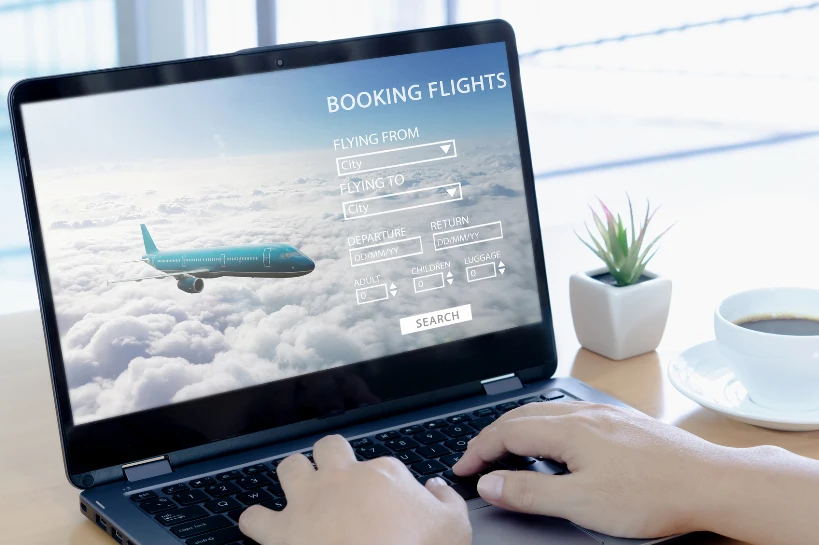
4. Flights & Domestic Airfares
Air travel undertaken for work obligations—such as attending interstate conferences, visiting distant clients, or traveling to satellite offices—is fully deductible.
Apportioning "Bleisure" Travel (Business + Pleasure):
A common audit area for the ATO is combined business and leisure trips. If you extend a work trip for a holiday or personal sight-seeing, you must strictly apportion your flight expenses:
- Primary Business Purpose: If the main purpose of the trip was strictly business and you spent an incidental day relaxing, the full airfare may remain deductible.
- Dual Purpose Trips: If personal vacation days form a major component of the trip, or if you fly to an alternate holiday location after your work duties finish, you must divide the airfare cost and only claim the portion directly related to your work duties.
- Accompanying Family: You cannot claim any portion of airfares paid for family members or companions traveling with you.
5. Overnight Accommodation
When your work duties require you to sleep away from home overnight, you can claim the cost of your accommodation, such as hotel rooms, motels, or serviced apartments.
Key Rules for Accommodation Deductions:
- The Overnight Requirement: To claim accommodation, you must be required by your employer to sleep away from home overnight. If you travel long distances but return home the same night, accommodation expenses cannot be claimed.
- Permanent Relocation vs. Travel: Travel accommodation claims apply to temporary trips away from your regular home. If you relocate permanently or for an extended secondment where you establish a new residence, accommodation costs become non-deductible living expenses.
- Employer Travel Allowances: If your employer pays you an accommodation allowance, this amount must be reported as assessable income on your tax return, and you then claim your actual, allowable accommodation expenses against it.
6. Interstate Meals & Refreshments
Claiming meals and food while traveling interstate depends heavily on whether your travel included an overnight stay and whether you received a formal travel allowance.
What You Can Claim:
- Breakfast, lunch, dinner, and non-alcoholic drinks consumed while staying away from home overnight for work purposes.
What You Cannot Claim:
- Day Trips: You cannot claim meals on day trips where you return home the same night, even if you traveled interstate or worked extended hours. The ATO regards day-to-day meals as a private living expense.
- Excessive or Luxury Meals: Claims must reflect reasonable out-of-pocket costs and avoid lavish personal entertainment.
Record-Keeping & Travel Diaries for Meals:
- Travel Allowance Exception: If you received a formal travel allowance from your employer that is shown on your income statement, and your claim is within the ATO’s annual published "reasonable travel allowance limits," you may not need to keep every individual meal receipt.
- No Allowance or Over Reasonable Limits: If you did not receive a travel allowance, or if your expenses exceed the ATO’s reasonable limits, you must retain itemized written receipts for every meal.
- 6-Night Rule (Travel Diary): If your work travel requires you to be away from home for 6 or more consecutive nights, you are legally required to keep a detailed travel diary. This diary must record the dates, times, locations, and nature of all business activities throughout the trip.
Summary of ATO Record-Keeping Requirements
To safeguard your deductions in the event of an ATO audit, follow these general record-keeping guidelines:
- Keep Written Evidence: Maintain receipts, tax invoices, itineraries, or bank statements for 5 years from the date you lodge your tax return.
- The $300 Substantiation Threshold: If your total work-related expense claims exceed $300, you must have written evidence for all claims (not just the amount over $300).
- No Double Dipping: You cannot claim any expense that was paid directly by your employer or reimbursed to you.
Disclaimer: This article provides general information only and does not constitute formal tax, financial, or legal advice. Tax laws in Australia are complex and subject to legislative change. You should consult a Registered Tax Agent to obtain advice tailored to your specific circumstances before taking action.


